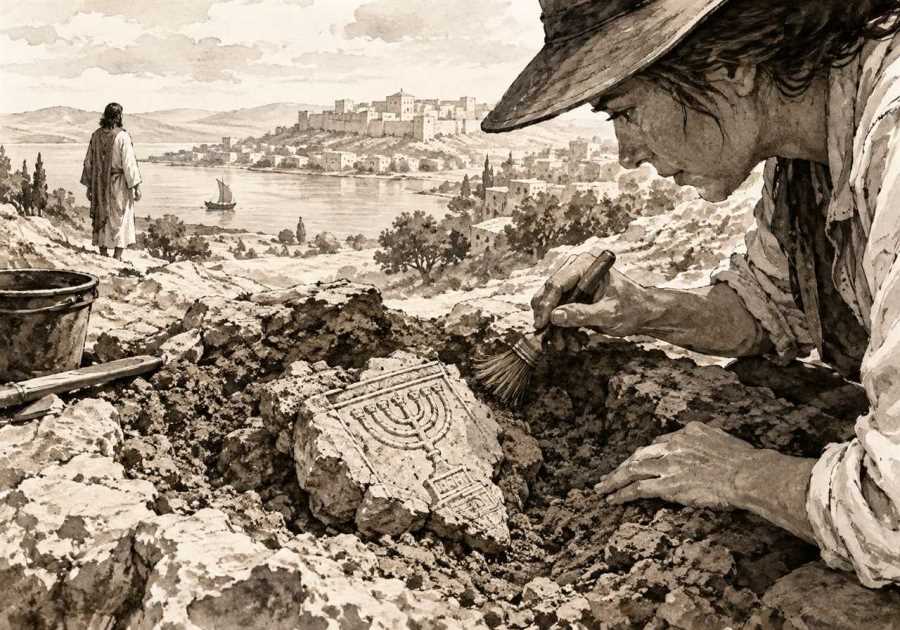
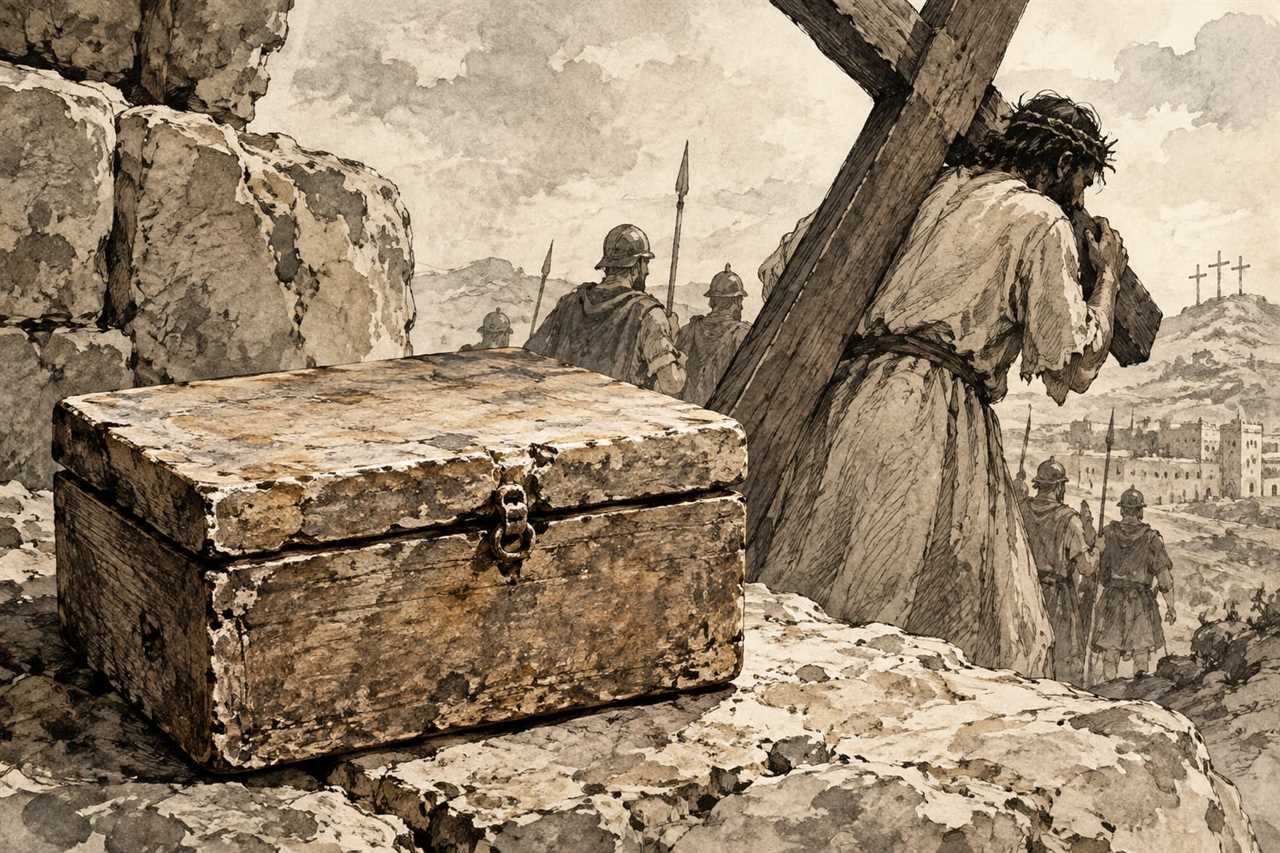
An ossuary pulled from a Jerusalem tomb back in 1941 carries an inscription reading "Alexander, son of Simon," and that pairing of names happens to match a figure mentioned in the Gospel of Mark: Simon of Cyrene, the man the Bible says was pressed into carrying Jesus's cross, and whose sons are named Alexander and Rufus.
That is the whole of what has resurfaced in reporting this week, by way of Gazeta Express. No new dig, no new announcement from an institution, just an old limestone box and a debate that apparently never fully closed.
What's actually new
Honestly, not much is new here. The ossuary itself was found more than eighty years ago. What's being recirculated is the observation that the names etched into the stone line up with the Gospel account, and that scholars have spent decades arguing over whether that lineup means anything.
An ossuary, for anyone who hasn't run into the word before, is a stone chest used in ancient Jewish burial practice to hold bones after the flesh had decomposed, a kind of secondary burial container rather than a coffin. Inscribing a name on one was common enough that name-matching alone proves very little on its own, which is presumably why this particular box has stayed a subject of argument rather than settled fact for so long.
Our reviewer, who has sat through more "biblical artifact" claims than she can count and has learned to treat each new one with the same flat skepticism, points out that this is really a story about an old controversy getting a fresh headline, not about any new evidence. She's seen plenty of ancient object stories get inflated into confirmed discoveries before the ink is dry, and this one hasn't earned that leap. The appeal of her reviews has always been that she strips the excitement out before asking what's actually there, and this case is a good test of that habit.
What we don't know yet
Here's where the reporting runs out, and it runs out fast. The source doesn't say where the ossuary is currently held, who has studied it most recently, or what arguments either side of the authenticity debate actually makes. It doesn't name a single scholar, doesn't cite an institution, doesn't give a date for when the "decades” of debate started or where it stands today.
It also doesn't address the obvious problem: Simon, Alexander, and even the combination "son of" were common names in the period. A name match is suggestive, not conclusive, and the article doesn't claim otherwise, it just doesn't explore the counterargument at all. There's no mention of other inscriptions found nearby, no discussion of the tomb itself beyond its 1941 Jerusalem location, and no indication of any scientific dating or analysis that might strengthen or weaken the connection to the biblical Simon of Cyrene.
We also don't know what prompted this story to resurface now. There's no news peg given, no anniversary, no new paper or exhibition mentioned. It reads like a recycled curiosity rather than a reported update, and the source doesn't pretend otherwise.
Who should care
If you're interested in biblical archaeology as a hobby or a faith matter, this is a pleasant rabbit hole: an old box, a plausible name match, a debate that's apparently been simmering for decades. It's the kind of thing worth reading over coffee and then promptly fact-checking elsewhere, because the article itself gives you almost nothing to verify.
If you're looking for an actual archaeological development, a new find, a peer-reviewed conclusion, a change in expert consensus, this isn't it. There's no resolution here, just a name on a box and a question mark that's been hanging around since before most of us were born. Skip it unless the mystery itself is the draw, because the facts on offer amount to one inscription and one long-running argument that nobody in this report bothers to walk through.